
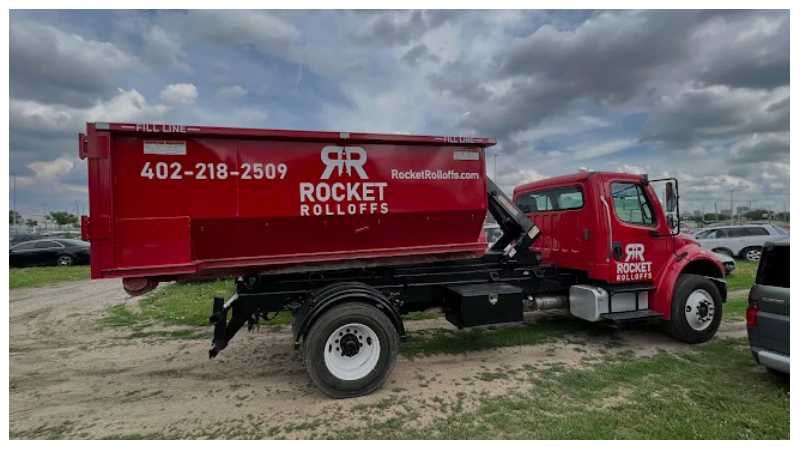
Renting a dumpster can make a cleanup project far easier, but the best results usually come from a little planning before delivery day. Whether you are clearing out a garage, remodeling a room, preparing for a move, or handling construction debris, choosing the right container and loading it correctly can save time and reduce unnecessary hassle.
A 30 Yard Dumpster can be a practical option for larger cleanouts, renovation work, and projects that create bulky debris.
Here are five useful tips to help you plan a smoother rental from the first load to final pickup.
1. Estimate Your Debris Before Choosing a Dumpster
One of the most common mistakes in dumpster rental is underestimating how much material a project will produce.
A garage may look manageable until cabinets are emptied, shelves are cleared, and old furniture is added to the pile. Remodeling projects can create even more debris than expected once flooring, drywall, fixtures, packaging, and construction materials begin coming out.
Before booking, walk through the entire project and make a rough list of what will be removed. Think about bulky items, dense materials, and anything that may need special handling.
It is also helpful to consider how much of the debris can be broken down. Flattened cardboard, dismantled furniture, and smaller pieces of wood can take up much less space than large, awkward objects.
The goal is to choose enough capacity without paying for significantly more space than you need.
2. Think About Weight as Well as Volume
Dumpster size is usually described in cubic yards, but volume is only part of the equation.
Lightweight household junk can fill a container quickly without becoming extremely heavy. Concrete, dirt, tile, shingles, brick, and similar materials are different because they can add significant weight even when the dumpster still looks partly empty.
That is why it is important to know what type of material you are throwing away.
Heavy debris may have different loading rules or may need to be limited to a certain amount. Some materials may also require separate disposal depending on local requirements and the rental provider’s policies.
Spreading heavier material evenly through the bottom of the container can also help create a more balanced load.
If your project includes dense debris, ask questions before loading rather than assuming that available space means the dumpster can safely hold more weight.
3. Prepare the Delivery Area Before the Dumpster Arrives
A smooth rental starts with a good delivery location.
Choose a level, accessible area where the truck can safely place the container and return later for pickup. Residential driveways are common, while construction projects may have designated areas closer to the work zone.
Look above the site as well. Low tree branches, wires, roof overhangs, and other obstacles can interfere with placement.
You should also leave enough room around the dumpster to use it comfortably. If the container has a walk-in door, make sure it can open without being blocked by a vehicle, fence, or other object.
Good placement can make the entire cleanup easier because it reduces carrying distance and keeps the dumpster from blocking entrances, garages, or important pathways.
Rocket Rolloffs can be a resource for customers who want to learn more about dumpster rental options and planning for a cleanup project.
4. Load the Dumpster With a Simple Strategy
Throwing everything into the container as quickly as possible may feel efficient, but it can waste usable space.
Start with larger items that are difficult to position once the dumpster begins filling. Break down furniture, flatten boxes, and place long or flat materials where they will not create large empty pockets.
Smaller debris can then fill the gaps around bulky items.
Try to spread material across the entire container instead of building one large pile in the center. This helps you use the available volume more efficiently and can keep the load more balanced.
Keep heavier items lower whenever possible. Avoid placing unstable objects on top where they could shift.
Pay attention to the fill line too. Materials should not stick above the top of the dumpster because loose or protruding debris can create safety and transportation problems.
5. Schedule the Rental Around the Actual Work
Timing can make a big difference in how useful a dumpster is.
If the container arrives several days before the cleanup begins, part of the rental period may pass without much progress. On the other hand, waiting until debris is already piled everywhere can make the work area harder to manage.
A better approach is to coordinate delivery close to the time when the project starts.
For multi-day projects, plan the order of the cleanup. Large furniture, demolition debris, or bulky items can often be handled first, followed by smaller material as the job progresses.
If several people are working, make sure everyone knows what belongs in the dumpster and what should be kept, recycled, donated, or handled separately.
That simple organization can prevent confusion and unnecessary reloading. It helps everyone involved understand the cleanup plan before work begins.
Plan Ahead for a Better Dumpster Rental Experience
Dumpster rental is straightforward when the project is planned from beginning to end.
Estimate the amount of debris, consider both weight and volume, prepare the delivery area, load the container efficiently, and coordinate the rental with the actual cleanup schedule.
Those steps can help reduce wasted space, avoid access problems, and make the work feel more organized.
The right dumpster should support the project rather than become another problem to solve. With a little preparation, homeowners, contractors, and property managers can keep debris contained and maintain a cleaner work area throughout the job.
Whether you are tackling a home cleanout, renovation, move, or construction project, thoughtful planning can make the entire process easier from delivery through pickup.