
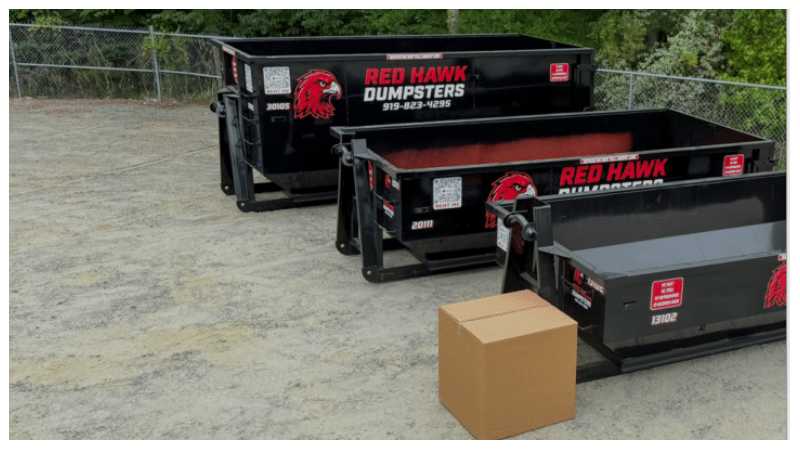
A roll-off dumpster can simplify a renovation, home cleanout, roofing job, or construction project. Size, debris type, placement, weight, and pickup access all affect how smoothly the rental works. A few decisions made before delivery can prevent extra handling and unnecessary complications. Use these six practical tips to plan the rental around the work instead of trying to solve problems after the dumpster is already on site.
1. Choose the Dumpster Size Around the Debris
Start by estimating what you are actually throwing away. Bulky furniture and household junk consume space quickly, while remodeling materials may be heavier and more compact.
The company currently offers 10-, 15-, 20-, and 30-yard roll-off sizes, giving customers several capacities for different project types. Smaller containers can work well for targeted interior projects, while larger options provide room for whole-house cleanouts, substantial renovations, or construction debris.
When comparing options from Red Hawk Dumpsters, describe both the project and the expected materials. A provider can size a job more accurately when it knows whether the load contains furniture, drywall, lumber, roofing, or another debris type.
2. Treat Heavy Materials Differently From General Junk
Dumpster capacity is measured by volume, but the truck ultimately has to haul the load by weight. That difference becomes important with shingles, concrete, brick, dirt, and other dense debris.
Do not assume a larger container is automatically better for heavy material. Loading a large roll-off with dense debris can create excessive weight before the box looks full.
Specialty containers may be a better fit. The company lists a dedicated roofing-shingle dumpster and a 7-yard container intended for clean concrete. Separating heavy debris can also make disposal requirements clearer and prevent incompatible materials from being mixed.
3. Prepare the Delivery Area Before the Truck Arrives
A dumpster needs enough space to sit, but the delivery truck needs additional room to approach and unload it. Check the route for parked vehicles, low tree branches, overhead wires, gates, tight turns, and other obstructions.
The placement should also work for the project. Putting the dumpster close to the work area reduces carrying, but it should not block entrances, garages, emergency access, or equipment routes.
Red Hawk Dumpsters serves Raleigh and communities across the greater Triangle, so site conditions can vary considerably between residential driveways and active contractor job sites.
4. Load the Container With Balance in Mind
Efficient loading means using the available space without creating an unsafe or unbalanced load. Break down bulky items when practical and distribute heavier debris across the container instead of piling everything in one corner.
Keep material below the top edge. Debris extending above the walls can interfere with safe transport and may need to be removed before pickup.
Everyone working on the project should know the basic loading rules. One prohibited item buried underneath other debris can complicate removal later.
5. Coordinate Delivery With the Actual Work Schedule
Order the dumpster for when debris generation will begin, not simply for the first day listed on the project calendar.
For demolition or renovation work, having the container available when materials start coming out can reduce double handling. For cleanouts, schedule delivery when the people doing the work are ready to sort and carry items.
Also account for weather, subcontractors, weekends, and final cleanup. A realistic schedule makes the rental period more useful.
6. Check the Site Again Before Pickup
Pickup should be planned as carefully as delivery. Move vehicles, trailers, tools, and equipment away from the truck’s access route.
Walk around the dumpster and confirm that nothing is leaning against it. Check that debris remains below the rim and that restricted materials have not been added accidentally.
A quick inspection before the driver arrives can prevent an avoidable delay.
Better Dumpster Rentals Begin With Better Preparation
The easiest dumpster rental is usually the one planned around the debris, property, and project schedule from the beginning. Choose the right capacity, separate heavy materials when necessary, prepare a clear placement area, load responsibly, and leave room for pickup.
Those steps do not require complicated planning, but they can make cleanup noticeably easier overall. A roll-off dumpster should reduce work, not create another problem to solve. When the container fits the material, and the site is ready for both delivery and removal, the rental becomes a practical part of keeping the project organized from start to finish.