
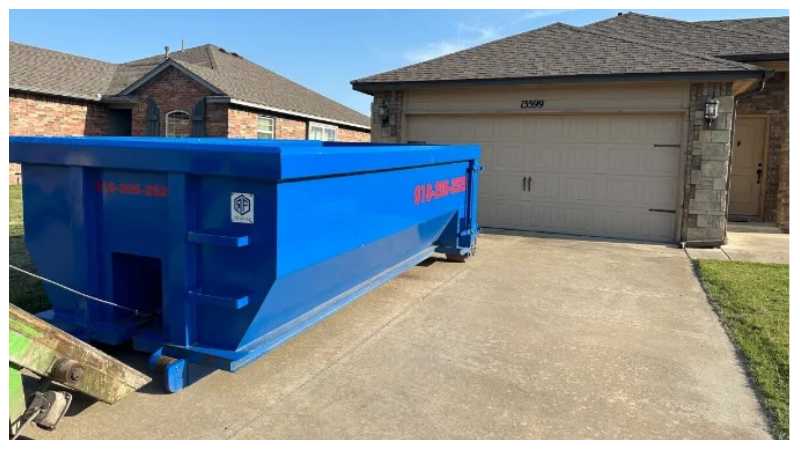
Renting a dumpster can make a cleanup, renovation, move, or construction project easier. Instead of stacking debris in a driveway or making repeated trips to a disposal facility, a roll-off dumpster gives you one central place for waste. The service is straightforward, but planning can help prevent headaches involving space, weight, prohibited materials, scheduling, and pickup.
Think about the entire rental before the container arrives. What are you throwing away? How much material do you expect? Where will the dumpster sit? How quickly can your crew, family, or contractors fill it? Answering those questions early helps you choose a container that fits the job.
If you are comparing options for a dumpster company in tulsa, focus on clear rental terms, suitable container sizes, dependable scheduling, and straightforward information about acceptable materials and potential extra charges.
1. Choose a Dumpster Size Based on the Actual Project
One common mistake is choosing a dumpster based only on price. A smaller container may cost less upfront, but it is not automatically cheaper if the project produces more debris than expected. Another haul or an additional container can quickly change the total cost.
Think about the type of debris, not only the size of the room or property. Household cleanouts often create bulky but light material such as boxes, furniture, toys, and clutter. Remodeling jobs may produce drywall, wood, flooring, cabinets, fixtures, and packaging. Roofing, concrete, dirt, brick, and other dense materials can become heavy before a container looks full.
It also helps to build in some breathing room. People frequently underestimate how much space irregular items occupy once they are removed from a home or jobsite. Cabinets, broken furniture, branches, and demolition debris rarely stack as tightly as expected.
A slightly larger container can sometimes provide useful flexibility, but bigger is not always better. Ask what sizes are appropriate for your material and whether certain heavy debris must go into a specific container. Matching the dumpster to both volume and weight is the goal.
2. Plan the Placement Before Delivery Day
Dumpster placement affects convenience, safety, and the ability of the delivery truck to place and retrieve the container. Before delivery, choose a location that is level, firm, reasonably close to the work area, and accessible to the truck.
Driveways are common placement areas because they provide a solid surface and keep the dumpster near the project. Clear away vehicles, trailers, equipment, basketball hoops, low branches, and other obstacles. The delivery truck needs more room than the dumpster itself to approach, position, unload, and later retrieve the container.
Look upward as well as outward. Tree limbs, wires, roof overhangs, and other overhead obstacles can interfere with roll-off delivery. If the container will be placed near a street, sidewalk, alley, or other public area, check whether local rules or permits apply before delivery.
Protecting the surface is another consideration. Dumpsters can become extremely heavy when loaded. Some property owners place sturdy boards beneath contact points when appropriate, although the rental provider should be asked about recommended placement practices. Good preparation reduces last-minute changes and makes both delivery and pickup easier.
3. Know What You Can Put in the Dumpster
A dumpster is designed for many common types of waste, but it is not an unrestricted disposal container. Rental companies, disposal facilities, and local regulations may limit or prohibit certain materials. Restrictions can vary, so always review the provider’s rules before loading questionable items.
Common project debris may include household junk, furniture, construction material, wood, drywall, flooring, yard debris, and other nonhazardous waste when allowed. Materials that often require special handling include paints, chemicals, solvents, fuels, batteries, certain electronics, tires, refrigerants, asbestos-containing material, and other hazardous or regulated items.
Do not assume that an item is acceptable simply because it fits. Disposal facilities have their own operating requirements, and some materials can create fire, environmental, or worker-safety risks.
Heavy materials deserve special attention too. Dirt, concrete, brick, shingles, plaster, and similar debris can add substantial weight quickly. A container that appears only partially full may still reach its allowed weight. If your project involves dense material, describe it accurately when arranging the rental so the provider can recommend the correct setup.
4. Load the Container Efficiently and Safely
How you load a dumpster can determine how much useful space you get from it. Tossing large items in randomly may create empty pockets that are difficult to fill later. A better strategy is to start with flat or bulky items, break down materials when practical, and distribute debris throughout the container.
Flatten cardboard, disassemble furniture when reasonable, and place long items so they use the available length instead of creating awkward gaps. For renovation debris, spreading weight across the floor of the dumpster is generally better than creating one concentrated pile.
Pay attention to the fill line. Debris should not extend above the container if the rental terms prohibit overfilling. Material sticking out can create a transportation hazard and may prevent safe hauling. Do not build a mound above the sides just to fit a few more items.
Safety matters during loading as well. Avoid climbing into a dumpster when possible, keep children away from the container, and use proper lifting