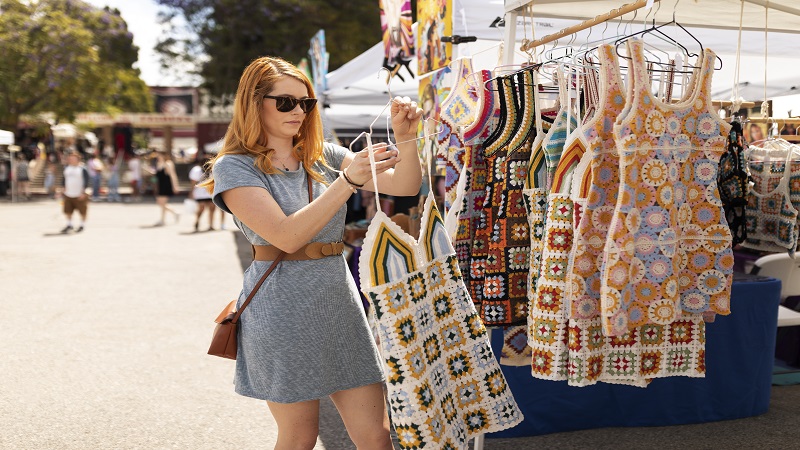
In today’s world of digital shopping, global marketplaces, and shifting consumer trends, local and community-driven markets continue to hold powerful cultural importance. One term that has recently caught the attention of many curious readers and researchers is Kasselladiesmarkt. While the name may seem unusual or unfamiliar at first, the concept behind it reflects a blend of tradition, community spirit, entrepreneurship, and the evolving modern marketplace experience.
This article takes an in-depth look at what Kasselladiesmarkt represents, why markets like this one matter, how they influence communities, and the unique elements that make them stand out in a world where everything is rapidly moving toward online platforms. Whether you are someone researching social marketplaces, studying cultural events, or simply interested in how communities engage in commerce, this comprehensive guide explores every aspect of the topic.
1. What Kasselladiesmarkt Represents in Modern Culture
To understand the importance of Kasselladiesmarkt, it helps to look at how markets—especially those built around community-led or themed initiatives—play an important role in cultural identity. Many markets today are not merely places to buy and sell goods; they are social hubs that bring people together, support local businesses, and celebrate diversity.
A market like kasselladiesmarkt typically reflects:
- Local craftsmanship
- Handmade products
- Women-led entrepreneurship
- Fashion, accessories, and lifestyle goods
- Cultural gatherings and social interaction
Because the name includes the word “ladies,” many assume that the focus of such a market involves women creators, female entrepreneurs, and products designed with women in mind. However, markets evolve with time, and many of them build mixed offerings that include lifestyle items, artisanal products, and creative crafts made by vendors of all kinds.
2. The History and Background of Community Markets
Community markets have existed for centuries. They served as the earliest forms of trade, social interaction, and cultural exchange. Markets like kasselladiesmarkt are part of this long tradition, even if they appear modern or newly developed.
Historically, markets have played several important roles:
A. Economic Hubs
People came to buy food, clothing, household items, and tools—often made by local crafters.
B. Cultural Exchange Zones
Markets were full of music, conversations, traditions, and stories. They became places where cultures blended.
C. Social Meeting Points
Families visited markets not just for shopping but also for entertainment, connection, and celebration.
In essence, a marketplace is a living environment, and kasselladiesmarkt reflects the same energy today.
3. The Structure and Organization of Kasselladiesmarkt
While every marketplace is unique, many share core elements. Understanding the structure of a themed or community marketplace gives deeper insight into how they operate and why they attract attention.
A. Vendor Layout
Markets like kasselladiesmarkt often organize vendors based on:
- Product categories
- Popular zones
- Foot traffic patterns
- Seasonal themes
This helps customers explore naturally and gives equal visibility to small and large vendors.
B. Product Types
Items commonly found at community-driven or theme-based markets include:
- Handmade jewelry
- Fashion accessories
- Beauty products
- Lifestyle goods
- Home décor
- Art and craft pieces
- Specialty foods
- Seasonal items
Many markets also support eco-friendly vendors, sustainable brands, and upcycled products.
C. Event Elements
Some marketplaces feature:
- Live music
- Workshops
- Demonstrations
- Food stalls
- Children’s activities
- Charity partnerships
Markets thrive when they offer experiences—not just shopping.
4. Economic Significance: Supporting Small Businesses and Creators
One reason kasselladiesmarkt draws interest is because markets like this play an increasingly important role in supporting women-led businesses, small creators, and local entrepreneurs.
A. Low-Barrier Entry for Sellers
Unlike online stores that require:
- Branding
- Advertising
- Shipping logistics
- E-commerce setup
- High fees
Local markets offer a simple, low-cost way for new sellers to begin.
B. Direct Customer Connection
Vendors interact face-to-face with buyers, gaining:
- Product feedback
- Personal referrals
- Community visibility
- Brand recognition
This personal relationship is something digital platforms rarely offer.
C. Economic Circulation Within the Community
Money spent at local markets remains in the community, helping support:
- Local families
- Local artisans
- Local creators
- Local suppliers
This creates a positive economic cycle.
Because of this, kasselladiesmarkt stands as an example of how marketplaces can uplift communities financially.
5. Social and Cultural Impact of Kasselladiesmarkt
Markets like kasselladiesmarkt do more than support small businesses—they build community identity and strengthen social ties.
A. A Space for Women Creators
If the market focuses on women-led entrepreneurship, it can help:
- Encourage creative careers
- Provide financial independence
- Offer a safe social environment
- Promote confidence in local makers
B. A Gathering Place for Families and Friends
Markets are social spaces where people:
- Explore
- Eat
- Connect
- Celebrate
- Discover new ideas
This creates positive memories and builds emotional ties.
C. Cultural Expression
Markets showcase:
- Regional creativity
- Traditional crafts
- Local art
- Unique styles
- Modern influences
They bring cultural identity to life through color, sound, and activity.
6. Digital Influence on Traditional Markets
In recent years, marketplaces have shifted from physical gatherings to hybrid models that combine:
- Offline markets
- Social media promotion
- Online pre-orders
- Digital communication
- Virtual vendor showcases
The rise of Instagram, Facebook groups, and marketplace apps has made it easier for markets like kasselladiesmarkt to reach broader audiences.
A. Social Media as a Marketing Tool
Vendors post:
- Product images
- Behind-the-scenes videos
- Booth photos
- Promotions and deals
Customers often share their purchases online, helping the market grow naturally.
B. Online Visibility Increases Vendor Success
Greater reach means more customers, more engagement, and greater recognition.
C. Hybrid Models Create Stability
If an in-person event is seasonal, online presence keeps the community alive year-round.
This is a major reason markets remain relevant today—even as digital shopping dominates.
7. Why Kasselladiesmarkt Stands Out from Other Markets
The charm of kasselladiesmarkt lies in its structure, its thematic appeal, and the way it brings people together.
A. Thematic Branding
The name itself creates curiosity and gives the market:
- A distinct identity
- Marketing potential
- A recognizable theme
- Connection to a target demographic
B. Focused Audience Appeal
By catering to lifestyle and creative products, the market attracts:
- Trend followers
- Craft lovers
- Young adults
- Families
- Local shoppers
C. Vendor Diversity
A mix of:
- Small businesses
- Independent creators
- Local artisans
- Cultural performers
- Food vendors
keeps the market lively and engaging.
8. The Future of Kasselladiesmarkt and Markets Like It
Looking ahead, markets continue adapting to trends and technology.
Future possibilities include:
- Digital vendor catalogs
- Online ticketing
- Virtual live streams
- Eco-friendly product zones
- Workshops hosted online
- Seasonal themes
- Collaborative partnerships
Just as community markets always evolve, so will kasselladiesmarkt—growing with creativity, culture, and commerce.
Conclusion: The Lasting Value of Kasselladiesmarkt
As we explore the cultural, social, and economic role of community marketplaces, the importance of kasselladiesmarkt becomes clearer. Whether seen as a local event, a themed marketplace, or a symbol of women-led creativity, it reflects a broader movement toward supporting small businesses, embracing cultural expression, and building community identity.
Understanding how markets like this operate helps us appreciate the effort behind every booth, the craftsmanship behind every product, and the community spirit that makes marketplaces feel alive. In a world where digital platforms dominate, marketplaces like kasselladiesmarkt remind us of the human connections that form around creativity, commerce, and cultural celebration.
In this way, kasselladiesmarkt stands not just as a name but as a representation of a living, evolving marketplace tradition—one that continues to inspire and connect people in meaningful ways.