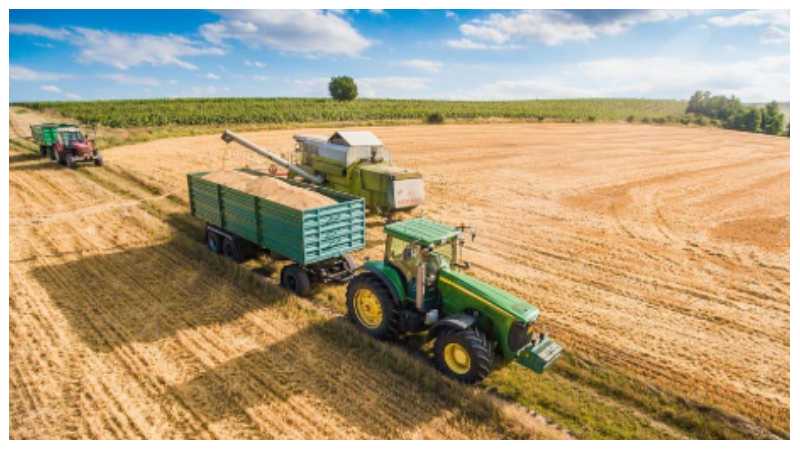
Farm equipment is built to handle demanding workloads, but even the most durable machines encounter problems over time. From engine inefficiencies to hydraulic failures, these issues can disrupt operations and impact productivity if not addressed promptly. For farmers and equipment operators, the ability to identify and resolve problems quickly is an essential skill that goes beyond basic maintenance.
Understanding how machinery behaves under normal conditions makes it easier to recognize when something isn’t right. Early detection, combined with practical troubleshooting knowledge, can prevent minor issues from turning into costly repairs and extended downtime.
Recognizing Early Warning Signs in Farm Machinery
Equipment rarely fails without warning. Subtle changes in performance often signal underlying problems that require attention. These may include unusual noises, decreased power output, inconsistent hydraulic response, or excessive vibration during operation.
Paying attention to these warning signs allows operators to take corrective action before the issue escalates. Routine inspections and attentive operation play a key role in identifying these early indicators.
Common Symptoms to Watch For
Reduced engine efficiency, overheating, and fluid leaks are among the most common signs of trouble. While these symptoms may seem minor at first, they often point to larger mechanical or system-related issues that should not be ignored.
Troubleshooting Tractor and Equipment Problems Effectively
Effective troubleshooting involves a systematic approach. Rather than guessing the cause of a problem, operators should evaluate each component step by step, starting with the most common and accessible areas. This method reduces the risk of overlooking simple solutions.
For instance, exploring practical approaches to New Holland troubleshooting can provide valuable insights into diagnosing issues related to hydraulics, transmission, and electrical systems. These structured methods help operators pinpoint problems more accurately and apply the appropriate fixes.
Breaking Down Complex Issues
Complex problems often involve multiple systems working together. By isolating each component—such as fuel delivery, air intake, or hydraulic pressure—operators can narrow down the source of the issue. This approach not only saves time but also reduces unnecessary repairs.
The Role of Modern Design in Equipment Performance
Modern tractors and farm machinery are designed with a focus on performance, comfort, and maneuverability. These features improve efficiency but also introduce additional complexity, requiring a deeper understanding of how systems interact.
Insights from recent developments in tractor design and performance priorities highlight how advancements in engineering are shaping equipment capabilities. These improvements enhance productivity but also emphasize the importance of proper maintenance and troubleshooting.
Balancing Innovation with Practical Maintenance
While advanced features can improve efficiency, they also require careful maintenance. Operators must stay informed about how these systems function to ensure they are used and maintained correctly. This balance between innovation and practicality is key to long-term equipment reliability.
Preventive Maintenance as the First Line of Defense
Preventive maintenance remains one of the most effective ways to reduce equipment issues. Regular servicing, including oil changes, filter replacements, and system inspections, helps keep machinery in optimal condition.
By following a consistent maintenance schedule, farmers can address potential problems before they affect performance. This proactive approach not only extends the lifespan of equipment but also improves overall efficiency.
Creating a Reliable Maintenance Routine
A well-structured maintenance routine should account for usage patterns, environmental conditions, and manufacturer recommendations. Keeping detailed records of service intervals and repairs can also help identify recurring issues and improve long-term planning.
Practical Solutions for Everyday Equipment Challenges
Many common equipment issues have straightforward solutions when approached correctly. For example, clogged filters can often be resolved with simple cleaning or replacement, while minor hydraulic issues may be addressed by checking fluid levels and removing air from the system.
Farmers who take a hands-on approach to these challenges often develop a deeper understanding of their machinery. This knowledge allows them to respond quickly and effectively when problems arise, reducing reliance on external repairs.
When to Seek Professional Assistance
Not all issues can or should be handled independently. Complex mechanical failures or electrical system problems may require specialized tools and expertise. Recognizing when to seek professional assistance is an important part of effective equipment management.
The Connection Between Equipment Reliability and Farm Efficiency
Reliable equipment is essential for maintaining consistent farm operations. Breakdowns during critical periods, such as planting or harvesting, can lead to delays that affect crop quality and yield. Ensuring that machinery performs as expected is therefore a top priority for any farm.
Even factors outside of machinery, such as maintaining organized and efficient workspaces, can contribute to smoother operations. For instance, approaches to improving outdoor environments, as discussed in practical garden and outdoor organization ideas, reflect a broader mindset of efficiency that also applies to farm management.
Building a Culture of Efficiency
Efficiency on the farm is not limited to equipment performance. It involves a combination of proper planning, effective use of resources, and attention to detail. By fostering this mindset, farmers can create operations that are both productive and resilient.
Conclusion
Diagnosing and resolving equipment issues is a critical aspect of modern farming. By recognizing early warning signs, applying structured troubleshooting methods, and maintaining machinery consistently, farmers can minimize downtime and protect their investments.
Combining practical knowledge with an understanding of modern equipment systems allows operators to handle challenges with confidence. In a field where reliability directly impacts productivity, effective troubleshooting and maintenance remain essential tools for long-term success.