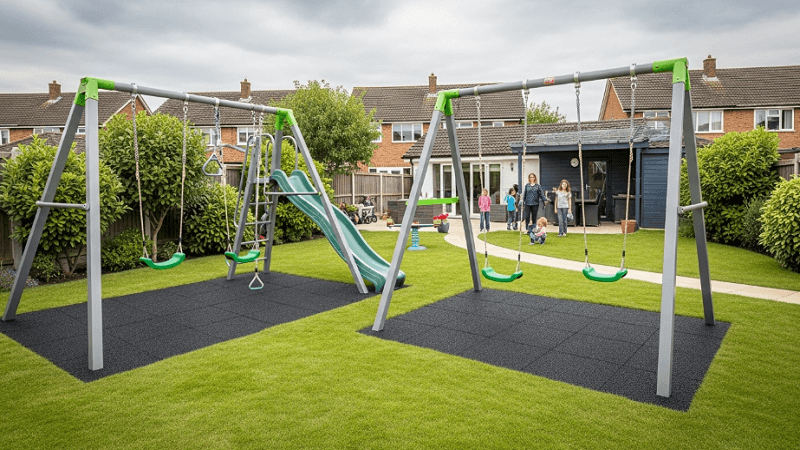
A family garden is one of the most important parts of a home, especially for families with children. It is a place where kids play, explore, and spend energy in a healthy way. At the same time, parents want peace of mind knowing the space is safe and free from avoidable risks. In many UK homes, however, outdoor gardens can slowly become unsafe due to slippery surfaces, uneven ground, and worn-out play areas.
The good thing is that improving garden safety does not always require expensive changes. Small, practical improvements can make a big difference. With the right approach, you can create a garden that is both safe and enjoyable throughout the year.
This guide explains simple outdoor safety improvements that are easy to apply and suitable for any family garden.
Why Outdoor Safety in Gardens Matters
Gardens are often seen as safe compared to roads or public spaces, but accidents still happen. Children run fast, change direction quickly, and do not always notice hazards. Wet weather in the UK also increases risks because surfaces become slippery and unstable.
Some common safety issues include:
- Slippery grass after rain
- Uneven or damaged ground surfaces
- Hard impact areas near play equipment
- Hidden objects like tools or stones
- Poor visibility in the evening
These risks can lead to falls, injuries, or long-term damage to the garden itself. That is why small improvements are important.
Start with a Simple Safety Check
Before making any changes, it helps to walk through your garden and look at it carefully. Try to notice how children move and where problems might happen.
You should especially check:
- Areas that stay wet or muddy after rain
- Spaces where children run most often
- Ground near swings, slides, or climbing frames
- Any uneven patches or dips in the lawn
- Objects that could cause trips or falls
This simple step helps you understand where safety improvements are needed most.
Improve Ground Safety in High-Use Areas
The ground is one of the biggest safety factors in any garden. Grass can become slippery, and bare soil quickly turns into mud. Hard surfaces may also increase injury risk if someone falls.
A practical solution is to improve ground protection in busy areas. Many UK homeowners now use a rubber grass matting roll under or around play equipment. It sits over natural grass, spreads weight evenly, reduces slipping, and allows water to drain properly. This helps prevent muddy patches and keeps the surface stable even with daily use.
Unlike concrete or paving, it keeps the garden looking natural while improving safety.
Create Clear and Safe Play Zones
Children naturally create their own play patterns, which often leads to uneven wear in the garden. Instead of letting this happen randomly, it is better to organise the space.
A structured play area helps control movement and reduce accidents.
- Place play equipment in one main zone
- Keep high-traffic areas separate from walking paths
- Use soft ground protection under swings and slides
- Store toys in a fixed location
This makes the garden easier to manage and reduces damage to the lawn over time.
Reduce Slip and Trip Risks
Slips and trips are the most common garden accidents. They usually happen because of wet grass, uneven surfaces, or clutter.
To reduce these risks, simple changes can help:
- Keep pathways clear and level
- Remove garden tools after use
- Fill holes or uneven spots in the lawn
- Trim edges where grass grows unevenly
These small improvements make movement around the garden much safer for everyone.
Improve Safety Around Play Equipment
Play equipment is a fun part of any garden, but it is also where most wear and tear happens. The ground under swings and slides gets damaged quickly, especially in wet weather.
To improve safety in these areas:
- Ensure enough open space around equipment
- Check bolts and fittings regularly
- Keep surrounding ground soft and even
- Add protective surfacing under high-impact zones
In many UK gardens, using a rubber grass matting roll under play equipment helps reduce injuries from falls and keeps the surface stable during heavy use.
Maintain Good Garden Drainage
Poor drainage is a hidden cause of many garden safety problems. Water collects in low areas, making surfaces slippery and muddy.
Improving drainage helps keep the garden safer and healthier:
- Aerate compact soil to improve water flow
- Avoid blocking natural drainage paths
- Fill low spots where water collects
- Add gravel in problem areas if needed
Better drainage also helps grass recover faster and reduces long-term maintenance issues.
Keep Paths Safe and Easy to Use
Garden paths are often overlooked, but they play a big role in safety. Uneven or slippery paths increase the risk of falls, especially in wet conditions.
A safe garden path should:
- Be even and stable
- Stay clear of moss or algae buildup
- Be wide enough for easy walking
- Connect main garden areas properly
Good paths help guide movement and reduce damage to grass areas.
Improve Evening Visibility
Many families use gardens in the evening, especially during summer. Poor lighting can create hidden hazards and increase the chance of accidents.
Simple lighting improvements include:
- Solar lights along walkways
- Lights near steps or slopes
- Soft lighting around seating areas
- Visibility around play zones
Good lighting makes the garden safer and more comfortable to use after dark.
Encourage Safe Outdoor Habits
Safety is not only about the garden itself but also how it is used. Teaching children simple habits can reduce accidents significantly.
- Do not run on wet grass
- Keep toys in one area
- Avoid climbing unsafe surfaces
- Use paths instead of cutting across lawns
These small habits help maintain a safer outdoor environment over time.
Combine Safety with Natural Garden Design
A safe garden does not need to lose its natural beauty. The best results come from combining safety improvements with natural design.
For example, you can keep grass in open areas while reinforcing high-use zones. Paths can be soft and natural instead of hard concrete. Play areas can be protected without changing the look of the garden too much.
Using a rubber grass matting roll in key areas is a good example of this balance. It protects the ground while still blending into the garden environment.
Final Thoughts
Outdoor safety in family gardens is something every homeowner should consider. With children playing regularly, even small risks can lead to accidents if ignored. The good news is that most problems can be solved with simple, practical improvements.
Better ground protection, clear pathways, proper drainage, and regular maintenance all work together to create a safer space. Adding solutions like a rubber grass matting roll in high-traffic or play areas can also make a big difference in protecting both the lawn and the people using it.
A safe garden is not about making big changes—it is about small, smart decisions that improve comfort and reduce risk. With the right care, your garden can become a secure and enjoyable space for the whole family all year round.