
The Hidden Forces Working Against Your Pavement
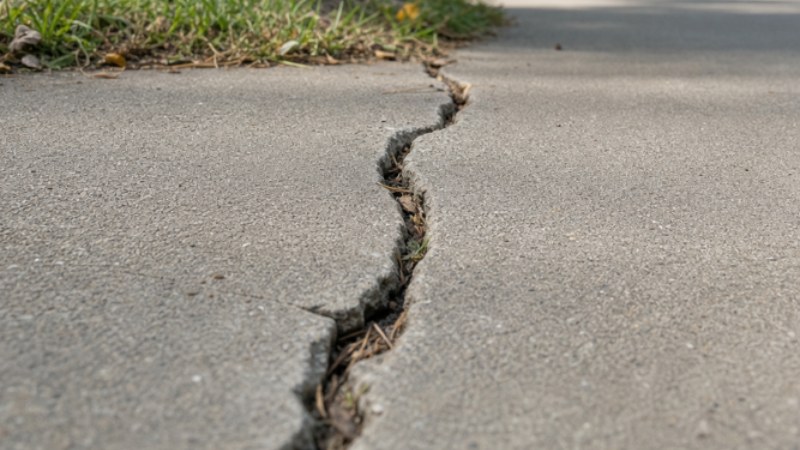
Sidewalks are one of those things most people take for granted — until they trip over a raised slab or notice a jagged fissure running across the path outside their home. What looks like a simple crack is often the result of months or even years of compounding stress beneath the surface. Understanding why sidewalks deteriorate is the first step toward protecting your property, maintaining curb appeal, and avoiding costly liability issues down the road. Whether you own a residential property or manage a commercial space, pavement health deserves more attention than it typically receives.
Root Causes That Go Deeper Than the Surface
Most sidewalk damage doesn’t happen overnight. It’s the result of a slow accumulation of environmental and structural pressures that gradually overwhelm the material’s ability to hold together. Concrete, despite its reputation for toughness, is surprisingly vulnerable to a range of forces — many of which are entirely natural and unavoidable without proper maintenance.
Freeze-Thaw Cycles and Moisture Intrusion
In regions that experience cold winters, freeze-thaw cycles are among the most destructive forces acting on concrete. When water seeps into small pores or hairline cracks and then freezes, it expands by roughly nine percent. That expansion exerts enormous pressure on the surrounding material, widening existing cracks and creating new ones. Over multiple seasons, this process can transform a minor surface blemish into a significant structural problem. Sealing concrete before winter arrives is one of the most effective preventive measures a property owner can take.
Tree Root Intrusion
Tree roots are a surprisingly common culprit behind sidewalk damage, particularly in older neighborhoods where mature trees line the streets. As roots grow outward in search of water and nutrients, they can push up beneath concrete slabs with remarkable force, causing them to buckle, heave, or crack entirely. The damage is often gradual but accelerates once the root system reaches a certain size. Addressing tree root intrusion typically requires either root pruning, slab replacement, or the installation of root barriers — none of which are inexpensive, but all of which are far cheaper than ignoring the problem.
Poor Installation and Subbase Failure
Not all sidewalk damage can be blamed on nature. Sometimes the problem starts at the very beginning, during installation. If the subbase — the layer of compacted gravel or soil beneath the concrete — is not properly prepared, it can shift or erode over time, leaving the slab without adequate support. Concrete that lacks a stable foundation is far more susceptible to cracking under normal foot traffic, let alone heavier loads. This is why hiring experienced contractors and using quality materials from the outset is so important.
Understanding the Full Spectrum of Sidewalk Crack Causes
A thorough understanding of sidewalk crack causes goes well beyond the obvious culprits. Chemical exposure from road salts, heavy vehicle overloading, soil erosion from poor drainage, and even the natural shrinkage of concrete as it cures can all contribute to premature deterioration. Identifying the specific cause of damage is essential before attempting any repair, because applying a surface patch over a structural problem is little more than a cosmetic fix that will fail within a season or two.
Repair Strategies That Actually Work
Once you’ve identified the source of the damage, the repair approach should match the severity and type of crack. Hairline cracks — those less than a quarter inch wide — can often be addressed with a quality concrete sealant or crack filler. These products penetrate the crack, bond with the surrounding material, and prevent moisture from worsening the damage. For wider or deeper cracks, a more involved repair is necessary, often involving the removal of the damaged section and pouring new concrete with proper joint spacing to allow for future expansion.
When to Repair vs. When to Replace
One of the most common mistakes property owners make is attempting to repair concrete that has deteriorated beyond the point of effective patching. If a slab is heavily fractured, significantly sunken, or showing signs of widespread spalling, replacement is almost always the more cost-effective long-term solution. Patching severely damaged concrete can delay the inevitable while adding unnecessary expense. A professional assessment can help determine which path makes the most financial and structural sense.
Rethinking Pavement Materials for the Future
The conversation around pavement is evolving rapidly. Researchers and engineers are exploring alternative materials that could outperform traditional concrete and asphalt in terms of durability and sustainability. For instance, innovative approaches to paving with recycled plastic have gained traction as a potential solution to both infrastructure degradation and environmental waste. While these technologies are still maturing, they signal a broader shift in how we think about the surfaces we walk and drive on every day.
Connecting Outdoor Maintenance to Broader Property Care
Sidewalk and pavement maintenance doesn’t exist in isolation — it’s part of a larger picture of property upkeep that includes landscaping, drainage management, and structural integrity. If you’re planning a significant outdoor improvement project, it’s worth thinking about how all these elements interact. For example, preparing your garden for renovation often involves addressing drainage issues that, if left unresolved, can accelerate pavement deterioration nearby. A holistic approach to outdoor maintenance saves money and prevents problems from migrating from one area of your property to another.
About Asphalt Coatings Company
Asphalt Coatings Company has built a strong reputation for delivering expert pavement maintenance and repair services to residential and commercial clients. Their team brings deep technical knowledge to every project, from diagnosing the root causes of surface damage to recommending the most effective and durable repair solutions. With a commitment to quality materials and workmanship, they help property owners extend the life of their pavement investments and avoid the escalating costs that come with deferred maintenance. Their educational resources are particularly valuable for homeowners who want to understand what’s happening beneath the surface before a small problem becomes a major expense.
Final Thoughts: Don’t Wait for a Trip Hazard
Sidewalk cracks are rarely just an aesthetic issue. Left unaddressed, they become safety hazards, legal liabilities, and increasingly expensive repair projects. The good news is that most damage, when caught early, is entirely manageable with the right approach. Regular inspections, timely sealing, and a clear understanding of what’s causing the deterioration are the foundations of any effective pavement maintenance strategy. Whether you’re a homeowner looking to protect your property value or a facilities manager responsible for public walkways, proactive care is always the smarter and more economical choice.