
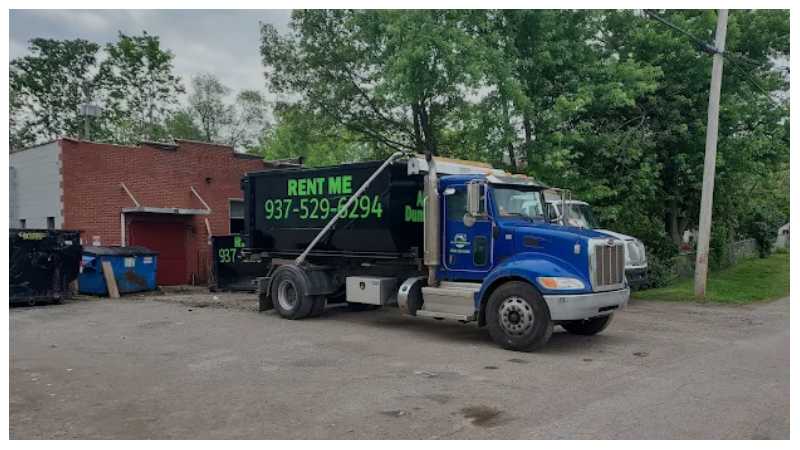
Renting a dumpster seems straightforward until project debris starts piling up. The container has to fit the job, the property, the material, and the schedule. Choosing poorly can lead to wasted space, extra handling, or a pickup that cannot happen as planned. For homeowners, contractors, and property managers in the Dayton area, a little planning before delivery makes the entire cleanup easier. These five decisions cover the practical details that matter most, from selecting capacity to loading safely and preparing for pickup.
1. Match the Dumpster Size to the Actual Project
The first decision is capacity. A container that is too small may fill before the project is finished, while an oversized dumpster can take up unnecessary room on a driveway or job site.
Think about the debris, not only the size of the room. A garage cleanout may contain bulky furniture and boxes that consume volume quickly. Remodeling debris can be denser, while roofing and demolition work can create heavy loads even when the material does not look especially bulky.
All-Pro Dumpsters currently lists 10-, 15-, 20-, 25-, and 30-yard options for customers in Dayton and surrounding Miami Valley communities. That range gives renters several capacities to compare rather than forcing every project into one standard container.
When arranging a dumpster rental in Dayton, Ohio, describe the project honestly and ask which size typically fits that type of cleanup. It is usually easier to make a good choice before delivery than to discover halfway through the job that the container cannot hold the remaining debris.
2. Consider Weight as Carefully as Volume
Dumpster size is measured in cubic yards, but volume is only part of the equation. Materials also have weight, and dense debris can reach a container’s weight allowance long before the box appears full.
Concrete, dirt, roofing material, plaster, and certain demolition debris can become extremely heavy. Household junk, cardboard, furniture, and lighter renovation waste may fill space faster without creating the same weight concentration.
That distinction is why renters should tell the provider exactly what they plan to discard. Mixing unusually heavy material into a general cleanup container can change how the load must be handled.
All-Pro Dumpsters lists its standard 20-yard container at approximately 14 feet long, 7 feet wide, and 5.5 feet high, with a listed weight allowance of 2.5 tons. Its site describes this size as a popular option for larger residential renovations and commercial projects.
A 20 yard dumpster rental can be useful when a project produces substantial debris, but renters should still match the material to the container’s rules and weight limits. More capacity does not automatically mean every type of heavy debris belongs in the same box.
3. Plan the Delivery Location Before the Truck Arrives
A dumpster needs more than a rectangle of empty ground. The delivery truck also needs room to approach, position, unload, and later retrieve the container.
Before delivery day, look at driveway width, overhead wires, tree branches, parked vehicles, gates, slopes, and tight turns. Move cars, trailers, basketball hoops, and other obstacles that could interfere with access.
The placement should work for the people using the dumpster. Keep it close enough to reduce carrying without blocking entrances, emergency access, normal traffic, or equipment that must move through the property.
Property protection matters too. Driveways and paved areas should be evaluated for condition and suitability before a heavy container is placed on them. If the location is questionable, discuss alternatives with the rental provider before delivery.
Planning the placement early prevents a common job-site problem: having a perfectly sized dumpster that cannot be positioned where the crew actually needs it.
4. Load Debris With Pickup and Safety in Mind
Good loading is not about fitting the largest possible pile into the container. It is about using the available space while keeping the load stable and transportable.
Break down large, lightweight items when practical so they do not create unnecessary voids. Spread heavier material across the floor rather than concentrating it in one corner. That helps keep the load balanced.
Keep all debris below the top edge of the dumpster. Material extending above the container can create a transportation hazard and may prevent pickup until the excess is removed. Do not assume a tarp can solve an overloaded container.
Confirm prohibited or restricted materials before loading. Waste rules vary by material and disposal facility, so hazardous chemicals, some electronics, tires, appliances, or special construction debris may require separate handling.
Explain the loading rules to everyone on the project. That can prevent mistakes that become difficult to correct once heavy debris is buried beneath the load.
5. Coordinate the Rental Period With the Work Schedule
The most useful dumpster is one that arrives when debris starts moving and leaves after the job is actually finished.
For renovations, cleanouts, roofing jobs, and construction projects, schedule delivery around when debris removal will actually begin. A container delivered too early may sit unused, while a late arrival can leave crews with piles blocking the work area.
Also think about weekends, subcontractor schedules, weather delays, and final cleanup. If several people are contributing debris, make sure everyone understands the pickup date.
Before pickup, confirm that truck access is clear. Move vehicles or equipment from the approach, check that nothing extends above the rim, and make sure no debris has been left beside the dumpster.
Good scheduling keeps the container working as part of the project instead of becoming another logistical problem to manage.
A Better Dumpster Rental Starts With Better Planning
A successful dumpster rental depends less on guesswork and more on a few practical decisions made before delivery. Choose capacity based on the debris, account for weight, identify a workable placement area, load the container correctly, and coordinate pickup with the real project schedule.
Those steps apply to household cleanouts, renovations, roofing, commercial cleanup, and construction debris. The details vary, but the goal is the same: contain waste and keep the project moving.
For Dayton-area renters, discussing materials and container options before ordering can prevent avoidable problems. The right dumpster should fit both the debris and the site, giving the crew a practical place to load waste without creating extra work.