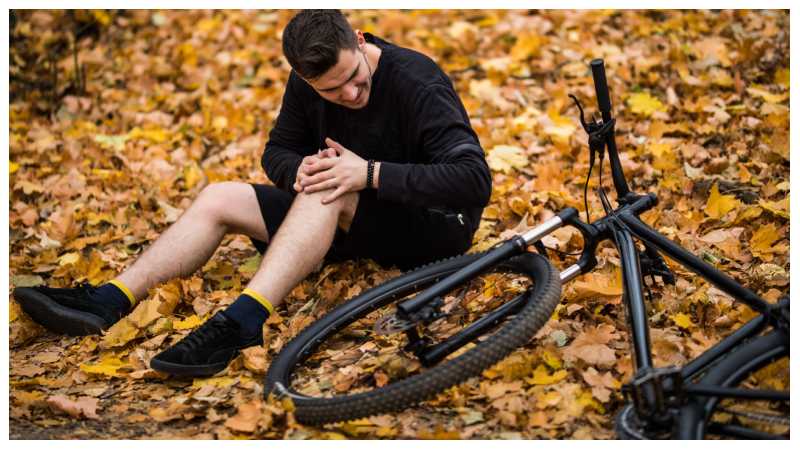
Injuries are an unavoidable part of human life, whether they occur during daily activities, sports, work, or unexpected accidents. Some injuries are common and well understood, while others are less familiar and require careful explanation. One such condition that has recently gained attention is hegahmil venambez injury, a term used to describe a specific pattern of physical trauma that affects mobility, strength, and overall quality of life.
This article provides a complete and easy-to-understand explanation of this injury, covering its possible causes, noticeable symptoms, diagnostic approaches, treatment options, and long-term recovery strategies. By understanding the injury in detail, individuals can take informed steps toward prevention and effective healing.
What Is This Type of Injury?
Injuries are typically categorized based on the body parts they affect, the type of tissue damage involved, and the circumstances under which they occur. This injury is generally associated with strain, impact, or overuse that leads to discomfort, inflammation, and functional limitation.
The hegahmil venambez injury is often described as developing either suddenly due to trauma or gradually due to repetitive stress. In many cases, it involves soft tissues such as muscles, ligaments, or tendons, though surrounding structures may also be affected depending on severity.
Understanding how the injury occurs is the first step toward managing it properly and preventing further damage.
Common Causes and Risk Factors
Several factors can contribute to the development of this injury. One of the most common causes is physical strain caused by improper movement or excessive force. This may happen during sports, heavy lifting, or sudden awkward motions.
Repetitive activities also play a significant role. When the same movement is performed repeatedly without adequate rest, the body may not have enough time to recover. Over time, this can lead to micro-damage that eventually becomes painful and limiting.
Other contributing factors include poor posture, lack of conditioning, inadequate warm-up before physical activity, and previous injuries that weakened the affected area. In some cases, environmental factors such as unsafe work conditions or improper equipment may increase the risk.
Signs and Symptoms to Watch For
Symptoms can vary depending on the severity of the injury and the individual’s overall health. Mild cases may present as discomfort or stiffness, while more serious cases can cause sharp pain and reduced mobility.
Common symptoms include localized pain, swelling, tenderness, and a feeling of weakness in the affected area. Some individuals may experience difficulty performing normal movements or tasks, especially those that require strength or flexibility.
In moderate to severe cases, the hegahmil venambez injury may also cause persistent pain that worsens with activity and improves only slightly with rest. Ignoring these warning signs can lead to prolonged recovery or complications.
Diagnosis and Medical Evaluation
Accurate diagnosis is essential for proper treatment. Healthcare professionals typically begin with a detailed medical history and physical examination. They assess the location of pain, range of motion, and strength to understand the extent of the injury.
If needed, imaging tests such as X-rays, ultrasound, or MRI scans may be used to rule out fractures or identify soft tissue damage. These tools help determine whether the injury is mild, moderate, or severe.
Early diagnosis not only shortens recovery time but also reduces the risk of chronic pain or recurring injury. Seeking medical attention at the right time is a crucial step in effective healing.
Treatment Options and Pain Management
Treatment depends largely on the severity of the injury. Mild cases often respond well to conservative care, including rest, ice application, compression, and elevation. These measures help reduce inflammation and relieve pain during the initial phase.
Pain relief medications may be recommended to manage discomfort, but they should always be used under professional guidance. Physical therapy is commonly prescribed to restore strength, flexibility, and normal movement patterns.
In more serious cases, advanced interventions may be required. The hegahmil venambez injury can sometimes benefit from targeted rehabilitation programs designed to address underlying weaknesses and prevent re-injury.
The Role of Rehabilitation and Physical Therapy
Rehabilitation is one of the most important aspects of recovery. Physical therapy focuses on gradually rebuilding strength and mobility while ensuring that the injured area heals correctly.
Therapists may use stretching exercises, strengthening routines, and controlled movements to improve function. These programs are tailored to the individual’s condition, fitness level, and recovery goals.
Consistency is key. Skipping therapy sessions or returning to activity too soon can slow progress and increase the likelihood of setbacks. A structured rehabilitation plan provides the safest path back to normal activity.
Recovery Timeline and Long-Term Outlook
Recovery time varies depending on factors such as injury severity, age, overall health, and adherence to treatment. Mild injuries may heal within a few weeks, while more serious cases can take several months.
Patience is essential during recovery. Rushing the process can cause incomplete healing and long-term complications. Listening to the body and following medical advice ensures a smoother and more successful outcome.
With proper care, most individuals recover fully. The hegahmil venambez injury, when treated early and correctly, does not usually result in permanent limitations.
Preventive Measures and Lifestyle Adjustments
Prevention is always better than treatment. Simple lifestyle changes can significantly reduce the risk of injury. Proper warm-up before physical activity prepares muscles and joints for movement, reducing strain.
Maintaining good posture, using correct techniques during exercise or work, and allowing sufficient rest between activities are also crucial. Strengthening supporting muscles helps stabilize the body and protect vulnerable areas.
Wearing appropriate footwear and using ergonomic equipment further minimizes risk. Awareness and preparation are powerful tools in injury prevention.
Psychological Impact of Physical Injuries
Injuries do not affect only the body; they can also impact mental well-being. Pain, limited mobility, and disruption of daily routines can lead to frustration, stress, or anxiety.
Acknowledging these challenges is important. Support from healthcare providers, family, and friends can make a significant difference. Staying positive and focusing on gradual improvement helps maintain motivation throughout recovery.
A holistic approach that addresses both physical and mental health leads to better long-term outcomes.
Conclusion
Injuries can be challenging, but understanding them empowers individuals to take control of their recovery. By recognizing early symptoms, seeking timely medical care, and following a structured treatment plan, healing becomes more effective and sustainable.
The hegahmil venambez injury highlights the importance of awareness, proper diagnosis, and rehabilitation. With patience, consistency, and preventive care, individuals can regain strength, confidence, and quality of life.
Taking proactive steps today not only supports recovery but also builds resilience against future injuries.