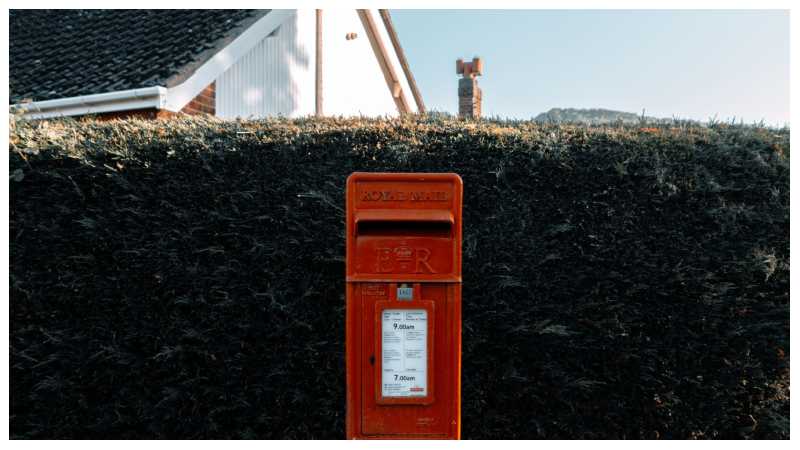
A mailbox is one of the most practical exterior features on a residential property, but it also plays a quiet role in curb appeal and address recognition. When the numbers on a mailbox are faded, crooked, missing, or difficult to read, the entire property can feel less organized from the street. More importantly, unclear markings can make it harder for mail carriers, delivery drivers, visitors, and service providers to confirm the correct address quickly.
Preparing a mailbox for new address markings is not complicated, but it should be done carefully. The quality of the final result depends on the condition of the surface, the placement of the numbers, the visibility from traffic, and the spacing between each character. A thoughtful installation can make an existing mailbox look cleaner, more intentional, and easier to identify without replacing the entire unit.
Why Preparation Matters Before Installation
Many homeowners focus on the style of the new numbers first, but preparation often determines whether the finished display looks professional or patched together. A dusty or damp surface can weaken adhesion. Old residue can create bumps. Poor spacing can make the address look uneven. Numbers placed too low, too far back, or on the wrong side of the mailbox may not be visible from the road.
The mailbox sits in a demanding outdoor environment. It faces sunlight, rain, wind, dust, temperature changes, and contact from daily use. New markings need a clean and stable surface to perform well over time. A few extra minutes of preparation can prevent peeling, misalignment, and poor readability. In curb-appeal terms, it is the difference between a neat signature and a label slapped on in a hurry.
What Should You Do Before Installing New Mailbox Numbers?
Successful mailbox identification begins before any numbers touch the surface. Many installation problems originate from dirt, moisture, uneven spacing, or poor positioning rather than the numbers themselves. A mailbox that has not been cleaned or measured properly can reduce adhesion, shorten product lifespan, and make the finished display harder to read from the road. Homeowners looking to apply mailbox numbers should start by preparing the mounting surface, confirming visibility from approaching traffic, and planning the layout before installation begins.
Surface preparation creates the foundation for a durable result. A clean mailbox allows adhesive materials to bond more effectively and helps prevent premature peeling. Measuring the available space before placement also improves consistency by ensuring that individual numbers remain evenly aligned and easy to recognize at a distance.
Visibility should guide every installation decision. Mail carriers, delivery drivers, visitors, and service providers typically view mailbox markings while approaching from the street rather than while standing directly beside the mailbox. Positioning numbers within a clear line of sight increases recognition speed and reduces the chance that address information will be overlooked.
Preparation also supports long-term performance. Numbers installed on a clean, dry, properly planned surface are more likely to remain readable through changing weather conditions and routine outdoor exposure. By focusing on layout, visibility, and surface readiness before installation, homeowners create a stronger identification system that improves both mailbox appearance and everyday address recognition.
Start With a Clean, Dry Surface
The first step is cleaning the mailbox surface where the numbers will be placed. Dust, pollen, road grime, old adhesive, and moisture can interfere with bonding. The surface should be washed gently, dried completely, and checked for any residue left behind by previous decals or numbers. If the mailbox has peeling paint, rust, or rough patches, those areas should be addressed before new markings are installed.
A smooth surface gives the numbers a better chance to sit flat and remain secure. If the mailbox is metal, homeowners should make sure the area is not oily or damp. If it is painted, the paint should be stable. If the surface is plastic, it should be cleaned without harsh products that might damage the finish. Preparation does not need to be dramatic. It simply needs to remove anything that would stop the new markings from making proper contact.
Remove Old Markings Carefully
Old numbers or letters should be removed without scratching the mailbox. Adhesive residue can often be loosened gently, then wiped away before the surface is dried. Leaving old outlines, tape marks, or sticky patches behind can make the new display look uneven. A clean starting point helps the final address marking appear intentional rather than layered over past attempts.
Plan the Layout Before Anything Is Attached
Mailbox markings should be measured and arranged before installation begins. Homeowners should decide whether the numbers will appear on the front, side, or both sides of the mailbox. The correct choice depends on traffic direction, mailbox placement, and how mail carriers approach the property. If the mailbox sits on a road where vehicles approach from both directions, visibility from multiple angles becomes especially important.
Planning is useful in the same way it is useful for other home access improvements. A property becomes easier and safer to use when practical details are considered before installation, whether the project involves a mailbox display or broader accessibility features such as safe and comfortable access at home. In both cases, the best result comes from thinking about how people actually move through and interact with the space.
Use Spacing to Improve Readability
Numbers that are too close together can look cramped, while numbers spaced too far apart can become harder to read as a single address. A balanced layout keeps the display clean and recognizable. Homeowners can lightly mark a guide line or use temporary placement before final attachment. This prevents the common problem of starting straight and ending with a number that drifts like a tiny runaway signpost.
Check Visibility From the Street
A mailbox number display should be judged from the road, not from a few inches away. Before final installation, homeowners should stand where a mail carrier or delivery driver would see the mailbox. The numbers should be easy to read without needing to slow down excessively, lean forward, or search the surface. If the mailbox is near a curve, driveway, or group of similar mailboxes, clear visibility becomes even more important.
Contrast also matters. Light numbers on a light mailbox or dark numbers on a dark mailbox can become difficult to see, especially in shade or bad weather. The display should stand out clearly from the mailbox surface while still matching the home’s exterior style. A readable design does not need to look loud. It simply needs to be clear.
Think About Security, Deliveries, and Everyday Use
Clear mailbox markings support more than postal delivery. They help package couriers, service workers, guests, and ride-share drivers confirm the correct property. When address information is visible, there is less chance of confusion between nearby homes. This can be especially useful in neighborhoods where houses share similar architecture, driveways, or curbside mailbox styles.
Address clarity can also support better package handling. While porch theft prevention involves several steps, exterior organization and clear delivery points still matter. Homeowners thinking about delivery safety can review ideas on ways to prevent porch pirates and consider how a clearly marked mailbox and visible property identification can help couriers avoid wrong-door drop-offs. A readable mailbox is one small part of a smoother delivery system.
Brand Section: A Simple Detail With a Cleaner Finish
Mailbox numbers can refresh an existing mailbox without changing the entire structure. Their value comes from the way they combine practical identification with a more polished curbside appearance. When selected in the right size, finish, and style, they can make the mailbox easier to read while helping it feel connected to the rest of the home’s exterior details.
The best results come from careful preparation. Clean surfaces, planned spacing, strong contrast, and smart placement all work together to create a display that looks organized and performs well. A mailbox marking should not feel like an afterthought. It should look like a small but deliberate part of the property’s identity from the street.
Maintain the Display After Installation
Once the new markings are installed, regular maintenance helps them stay readable. Dirt, water spots, pollen, and road dust can dull the display over time. A gentle cleaning every so often keeps the numbers clear. Homeowners should also check whether plants, decorations, bins, or parked vehicles are blocking the view from the street.
Weather can also affect long-term appearance. After heavy rain, snow, heat, or strong winds, it is worth checking that the numbers remain secure and visible. A quick inspection can prevent small issues from becoming larger problems. A mailbox display works best when it remains clean, aligned, and easy to recognize throughout the year.
Conclusion
Preparing a mailbox for new address markings is a simple process, but it has a meaningful effect on the final result. Cleaning the surface, removing old residue, measuring the layout, checking visibility, and choosing a clear placement all help the new numbers look better and last longer. Good preparation turns a basic update into a more reliable property identification feature.
A well-marked mailbox helps mail carriers, delivery drivers, visitors, and service providers find the right property faster. It also improves curb appeal by making the mailbox look cleaner and more intentional. With careful planning before installation, homeowners can create a mailbox display that is durable, readable, and visually connected to the home’s exterior.