
Junk removal can be a relief when clutter, old furniture, renovation debris, or unwanted household items start taking over valuable space. Still, many people are unsure what to expect, how to prepare, or whether a dumpster or full-service removal is the better fit.
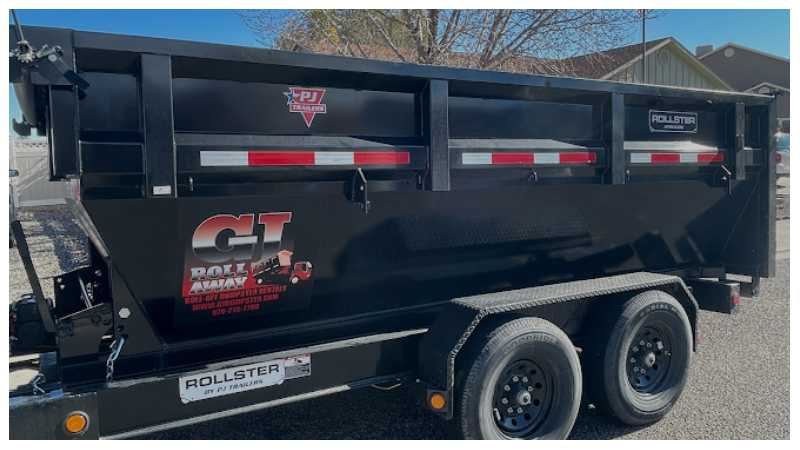
For projects that need more room for debris over several days, a 20 yard dumpster can be a practical option for many residential and light construction cleanups.
Below are answers to common questions people have before scheduling junk removal or renting a dumpster.
What Types of Projects Are Good for Junk Removal?
Junk removal is useful for far more than extreme clutter. Homeowners often use the service when clearing garages, basements, spare rooms, storage areas, sheds, or properties before a move.
It can also be helpful during remodeling. Removing old cabinets, flooring, fixtures, broken furniture, packaging, and other debris can quickly create a pile that is difficult to manage with normal household trash service.
Property cleanouts are another common use. When a home, rental, office, or storage space needs to be emptied, professional removal can reduce the lifting, sorting, loading, and hauling required.
The main advantage is convenience. Instead of making repeated trips with a pickup truck or trailer, customers can have unwanted materials removed in a more organized way.
Not every item is accepted, however. Hazardous materials, certain chemicals, fuels, and other regulated waste may require special disposal methods. It is smart to ask about questionable items before cleanup begins.
Is Junk Removal or Dumpster Rental Better for Your Project?
The right choice depends on how you prefer to work.
Junk removal is often a strong fit when you want a crew to handle the lifting and hauling. It can work well for furniture, household clutter, garage cleanouts, and projects where the debris is already gathered and ready to go.
Dumpster rental can be better when the cleanup will take several days. Renovations, roofing work, landscaping, moving, and gradual property cleanouts often generate waste over time, so having a container on site allows you to load materials as the project progresses.
Consider how much labor you want to do yourself. With a dumpster, you generally handle the loading. With full-service junk removal, much of that physical work may be handled for you.
Time matters too. A one-day cleanout may favor removal service, while a longer project can benefit from a container that stays available during the work.
How Should You Prepare Before the Cleanup Starts?
Preparation can make junk removal faster and less stressful.
Start by identifying what is leaving and what is staying. If several people are involved, clearly mark items so nothing important is accidentally removed.
Create open pathways to bulky objects whenever possible. Moving small boxes, rugs, and loose clutter out of hallways can make it easier to reach furniture or larger items safely.
If you are using a dumpster, choose a practical placement area before delivery. The location should be accessible to the delivery vehicle and convenient for loading without blocking a garage, gate, doorway, or other area you still need.
It also helps to separate items that may require different handling. Electronics, appliances, dense construction material, and potentially restricted waste should be discussed before loading or pickup.
A few minutes of organization can save time once the cleanup begins.
What Happens to the Items After They Are Removed?
Where unwanted items go depends on their condition, material, and local disposal options.
Some materials may be suitable for recycling, while others may need to be taken to an approved disposal facility. Reusable goods can sometimes be kept out of the waste stream when appropriate donation or reuse opportunities are available.
Construction debris may be handled differently from furniture or ordinary household junk. Dense materials such as concrete, brick, soil, or roofing debris can also require different loading and disposal considerations because of their weight.
Responsible handling starts with sorting and knowing what each facility can accept. Customers can help by being clear about what they have before scheduling service.
GJ Roll Away Dumpster Rental and Junk Removal provides cleanup and hauling options for customers who need help managing unwanted items, debris, or larger property projects.
How Can You Make a Cleanup More Efficient?
The easiest cleanup is usually the one with a plan.
Start with the largest items because they are harder to work around once smaller debris begins piling up. Furniture, mattresses, cabinets, and bulky household goods can quickly consume floor space.
Next, sort smaller items into clear groups. Keep, remove, recycle, and special-disposal categories can help prevent indecision while the cleanup is underway.
For dumpster projects, break down boxes and disassemble bulky items when practical. This can reduce empty pockets and help you use the available container space more effectively.
Avoid overloading containers or stacking materials above the allowed fill level. Heavy debris should also be distributed rather than concentrated in one area.
Finally, keep access clear until the job is finished. Delivery and removal vehicles need room to safely approach the work area or container.
Simple organization makes the entire project feel less chaotic and helps prevent unnecessary delays.
Plan Your Junk Removal Project With Less Stress
Junk removal and dumpster rental are both useful tools for taking control of clutter and debris. The best option depends on the size of the project, how quickly you want it completed, and how much of the loading you want to handle yourself.
Before booking, think through the entire cleanup. Identify what needs to go, check whether any materials require special handling, choose a practical work area, and decide whether you need immediate hauling or a dumpster that can remain on site.
Good preparation can make a major difference. It helps keep the project organized, protects access around the property, and reduces the chance of unexpected issues during loading or pickup.
Whether you are cleaning a garage, preparing for a move, remodeling a room, or clearing an entire property, the goal is the same: create a safer, cleaner, more usable space without turning the cleanup itself into another problem.